Our Services
Traditional Jewish Funerals in Washington, DC
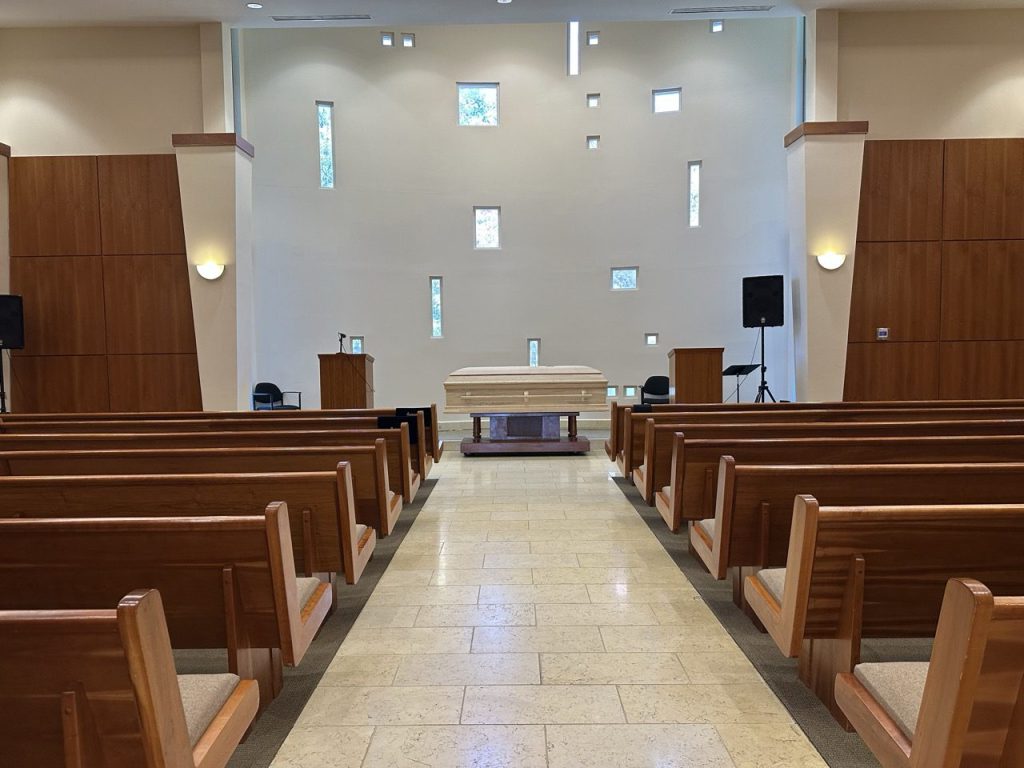
A traditional Jewish funeral at our chapel on Carroll Street or at your synagogue, guided by Halacha (Jewish law) and arranged for every denomination. We answer any hour, including Shabbat.
98% of Washington Consumers’ Checkbook raters gave Torchinsky a superior overall rating.
Why Families Call Torchinsky
- Available 24/7, including Shabbat
- Every denomination, Orthodox to unaffiliated
- Taharah with the Chevra Kadisha
- Guided by Halacha (Jewish law)
We Will Guide You Through Every Step
You do not need to know the customs to arrange a traditional Jewish funeral. Joyce Torchinsky and her staff explain each step in plain words, take care of the details, and make sure what happens follows Jewish law and your family’s own practice.
We serve Orthodox, Conservative, Reform, and unaffiliated families. You and your rabbi decide how traditional the service will be, and we arrange it that way. If someone has just died and you are not sure where to start, read, What to do When a Death Occurs, or simply call us.
From Your First Call to the Burial
When you call us, you don’t need to have everything figured out. We’ll walk you through each step, handle the details, and make sure nothing is missed. Here is what to expect, in the order it usually happens.
1
Call Us, Any Hour
Call us at (202) 541-1001, day or night, including Shabbat. We come to bring your loved one into our care, whether the death happened at home, in a hospital, or in hospice.
2
Shmirah and Taharah
Your loved one is never left alone. We arrange shmirah and the ritual washing of taharah with the Chevra Kadisha of Greater Washington.
3
Planning Together
We meet with you to set the time and place, contact your rabbi or help you find an officiant, and arrange the cemetery and synagogue.
4
The Funeral Service
The service usually begins with kriah, the tearing of a garment by the closest relatives, followed by a eulogy and prayers. Psalms and Kel Maley Rachamim, the memorial prayer, are recited. Your rabbi or officiant leads the service, and family members or close friends may speak if they wish.
5
The Procession and Burial
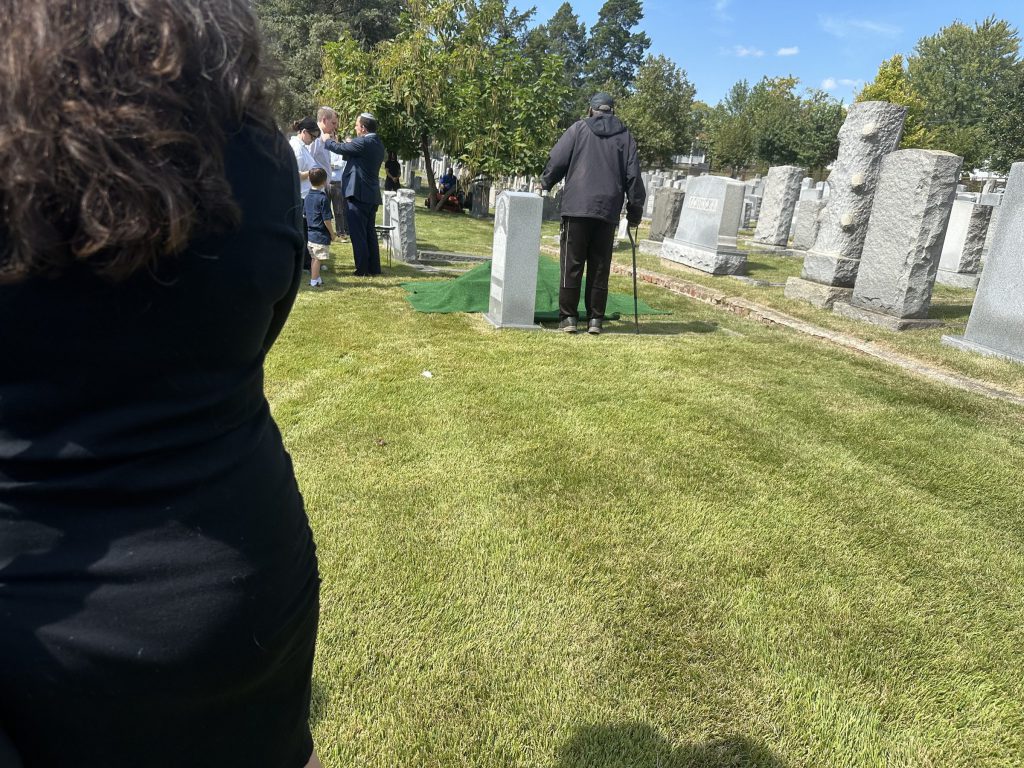
Family and friends accompany your loved one to the grave in the levaya, and the burial follows Jewish custom. At the graveside, those present take turns shoveling earth into the grave, beginning with the closest family. The first shovelful is placed with the back of the shovel, a gesture of reluctance. Many families stay until the grave is filled.
6
Shiva Begins
After the burial, mourners return home and shiva begins. We can deliver shiva chairs and supplies to the house. Friends and community members visit during the week, and the family observes the customs of mourning together. Our shiva guide explains what to expect and how to prepare.
We Are Here Any Hour, Including Shabbat
If a death has occurred, call us now. We will tell you exactly what happens next.
What Makes a Funeral Traditionally Jewish
A traditional Jewish funeral is simple, prompt, and equal for everyone. Jewish law calls for burial as soon as possible, preferably within a day, with delays allowed for legal requirements, travel by close relatives, transport, or to avoid Shabbat and holidays.
Your loved one is dressed in simple white tachrichim and placed in a plain wooden casket without ornament, the same for rich and poor. Traditionally there is no embalming, no cosmetics, no viewing, and no flowers or music. Every family is different, and you and your rabbi decide which customs to follow.
For the meaning behind each custom, see our guide to Jewish funeral and mourning traditions.
The casket remains closed throughout the service. This is part of the tradition’s emphasis on dignity and equality: the focus is on the person’s life and on the prayers, not on appearance. A plain wooden casket, made without metal, returns to the earth naturally, as Jewish law intends.
Taharah, the ritual washing and dressing of the deceased, is performed before the funeral by the Chevra Kadisha, a group of trained volunteers. Men care for men and women care for women. Shmirah, watching over the deceased until the funeral, ensures your loved one is never left alone. Both are arranged through our funeral home. Learn more about taharah and shmirah.
Our Prices Are Published
Our General Price List and Casket Price List are online, and you choose only the goods and services you want. See our price lists before you call.
Why Families Choose Torchinsky
- 98% superior ratingWashington Consumers’ Checkbook raters
- Chevra Kadisha of Greater Washingtonlisted among funeral homes that support a taharah
- Independent, Jewish, woman-ownedWashington, DC’s independent Jewish funeral home
- 35+ years in funeral serviceJoyce E. Torchinsky, licensed funeral director
Questions About Jewish Funerals
As soon as possible, usually within a day or two. Jewish law calls for prompt burial, but a short delay is allowed for legal requirements, for close relatives traveling from far away, for transport, or to avoid Shabbat and holidays. We will help you set a time that respects both the tradition and your family’s needs.
The service itself is usually short and simple, followed by the procession and burial. The total time depends on the number of eulogies and the drive to the cemetery. Most families should expect the chapel service to last about 30 to 45 minutes, with additional time at the graveside. When we plan the funeral with you, we will give you a timeline for the day.
Yes. The service can be held at your synagogue or another place of worship, at our chapel on Carroll Street, or graveside at the cemetery. We coordinate with your rabbi and the synagogue staff.
Yes. We arrange funerals for Orthodox, Conservative, Reform, and unaffiliated families. You and your rabbi decide how traditional the service will be, and we make it happen that way.
Yes. If your family is not affiliated with a synagogue, we can help you find a rabbi or a non-religious officiant who will lead the service with care.
Yes, everyone is welcome. Guests dress modestly and simply, and flowers are not part of a traditional Jewish funeral. Our guide to Jewish funeral traditions explains what to expect.
Kriah is the tearing of a garment or a ribbon, performed by the closest relatives just before the funeral service begins. It is an outward expression of grief, and the rabbi will guide the family through it.
The family returns home for shiva, a seven-day mourning period. Friends and community members visit, and the mourners sit on low chairs as a sign of grief. We deliver shiva chairs and supplies to the home so everything is ready when the family arrives.
Related Services and Guides
- Taharah and shmirah Ritual preparation and watching over your loved one
- Kosher caskets Plain wood caskets with no metal
- Graveside services A service held at the cemetery
- Pre-planning Record your wishes in advance
We Are Here Now
If a death has occurred, please call (202) 541-1001 now, any hour, including Shabbat. For questions that can wait, send us a message and we will reply as soon as we can.
- (202) 541-1001, answered any hour, including Shabbat
- 254 Carroll St NW, Washington, DC 20012
- info@torchinsky.com
"*" indicates required fields