Our Services
Taharah and Shmirah
Taharah, the ritual preparation for burial, and shmirah, watching over your loved one until the funeral, arranged with the Chevra Kadisha of Greater Washington for families of every denomination.
The Chevra Kadisha of Greater Washington lists Torchinsky among the funeral homes that support a taharah.

Why Families Call Torchinsky
- Available 24/7, including Shabbat
- Every denomination, Orthodox to unaffiliated
- Taharah with the Chevra Kadisha
- Guided by Halacha (Jewish law)
What Taharah and Shmirah Mean
The preparation follows a set order and is done quietly, with prayer and modesty throughout. Men care for men and women care for women. Some details vary by community, and your rabbi can explain your family’s practice.
What Happens During a Taharah
The preparation follows a set order and is done quietly, with prayer and modesty. Some details vary by community.
1
Washing
The deceased is gently and thoroughly washed by hand, with care for modesty at every step. The Chevra Kadisha treats the deceased with the same dignity they would want for themselves.
2
Purification
Water is poured over the deceased in a single continuous flow, the spiritual purification at the heart of the ritual. Some communities immerse the deceased in a mikveh instead. This step is what gives the taharah its name: taharah means purification.
3
Shards
Three small pottery pieces are placed over the eyes and mouth. In tradition, the shards shield the deceased from the brightness of G-d.
4
Dressing in Tachrichim
The deceased is dressed in tachrichim, simple white burial garments made of plain fabric. The garments cover the deceased from head to toe and have no pockets, because no worldly goods are taken. Everyone is dressed in the same kind of garment, rich or poor.
5
Israeli Earth
Sand from Israel is sprinkled in the casket, a way of bringing a piece of the land of Israel to those who are not buried there.
6
Placing in the Casket
The deceased is placed in a plain wooden casket with no metal, and the casket is closed. The funeral follows.
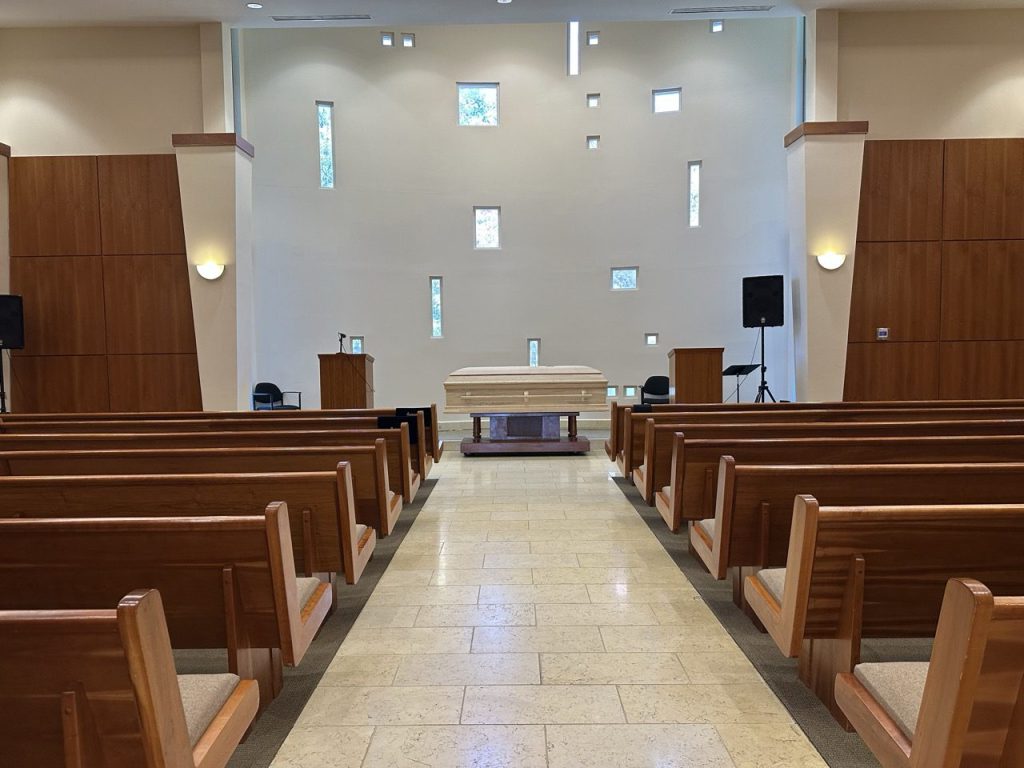
Who Performs the Taharah
The taharah is performed by trained volunteers of the Chevra Kadisha of Greater Washington. Men care for men and women care for women, and members are on call around the clock.
Jewish tradition calls this chesed shel emet, a true kindness, because it can never be repaid. Torchinsky coordinates with the Chevra Kadisha so that everything happens promptly and correctly, alongside every other arrangement for the funeral.
Call Us at Any Hour, Even on Shabbat
If a death has occurred, call us now and we will arrange taharah and shmirah right away.
Shmirah: Watching Over Your Loved One
Shmirah means that someone stays with your loved one from death until the funeral. Shomrim, the people who keep watch, usually sit in shifts in a room near the deceased at the funeral home, reading Psalms, often with a memorial candle burning.
Shmirah expresses the same respect as the ritual washing: a person is cared for and accompanied from the moment of death until burial. Watching through the night is part of the tradition, and many families find comfort in knowing someone is there.
Tradition prefers that shomrim be family members, friends or members of your congregation. Tell us who would like to sit, and we will help schedule the shifts. If your family lives far away or cannot sit, let us know and we will talk through the options with you.
For Every Jewish Family
The Chevra Kadisha of Greater Washington serves any Jewish person, whatever their denomination or level of observance. If you are unsure what your loved one would have wanted, your rabbi can help you decide, and so can we. Learn more about Jewish funeral and mourning traditions.
Care You Can Trust
- Chevra Kadisha of Greater WashingtonListed among funeral homes that support a taharah
- Guided by HalachaJewish law for every funeral we arrange
- 30+ years in funeral serviceJoyce E. Torchinsky
Questions About Taharah and Shmirah
Your loved one is washed, purified with a continuous pour of water, dressed in simple white tachrichim and placed in a plain wooden casket. Members of the Chevra Kadisha do this quietly, with prayer and great care for modesty. Some customs, such as immersion in a mikveh, vary by community.
Trained volunteers of the Chevra Kadisha of Greater Washington perform the taharah. Men care for men and women care for women. Torchinsky coordinates the timing so it fits the funeral schedule.
No. The Chevra Kadisha of Greater Washington offers taharah to any Jewish person, regardless of denomination or observance. Many Conservative, Reform, and unaffiliated families choose it as a final act of respect.
Yes, and tradition prefers it. Family members, friends and members of your congregation can sit with your loved one in shifts. Tell us who would like to take part and we will help organize the schedule.
Tachrichim are simple white burial garments made of plain fabric. Everyone is buried in the same kind of garment, rich or poor, reflecting the Jewish values of modesty and equality before God.
Related Services and Guides
- Traditional Jewish funerals Chapel and synagogue services
- Kosher caskets Plain wood caskets with no metal
- What to do when a death occurs The first hours, step by step
- Burial in Israel Arrangements after a taharah here
We Will Arrange Everything
If a death has occurred at a hospital or hospice, call us at (202) 541-1001, and ask the staff to wait for us before moving your loved one. For questions that can wait, send us a message.
- (202) 541-1001, answered any hour, including Shabbat
- 254 Carroll St NW, Washington, DC 20012
- info@torchinsky.com
"*" indicates required fields